Lightweight Canister Vacuum: Easy Whole-Home Cleaning
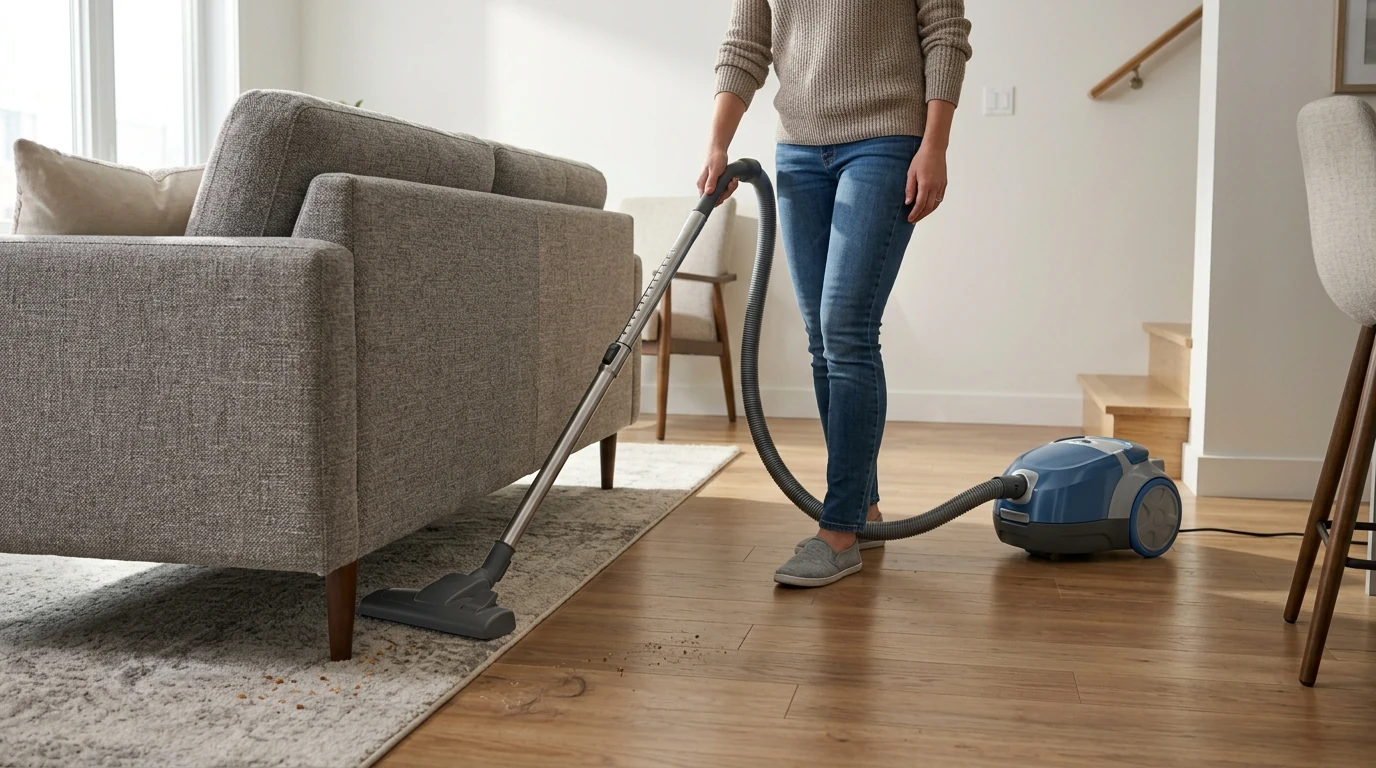
Lightweight Canister Vacuum Cleaner for Quick, Comfortable Whole-Home Cleaning
A lightweight canister vacuum cleaner is built for easy carry, smooth maneuvering, and strong pickup across multiple surfaces. It’s a practical format for everyday cleaning because the motor unit rolls behind you while the wand and floor head do the detailed work—under furniture, around chair legs, and along baseboards. Below is a straightforward guide to what matters most for day-to-day use: handling, filtration, attachments, surface technique, and simple care, plus a quick look at an in-stock option.
Why a Lightweight Canister Makes Cleaning Easier
For many homes, the biggest improvement isn’t “more power,” it’s a vacuum that feels easier to grab and use regularly.
- Reduced strain room-to-room: A lighter body helps when moving between rooms, cleaning tight spaces, or carrying the vacuum up stairs.
- Reach without constant lifting: The separate canister-and-wand design helps you slide the floor head under beds and sofas and steer around table legs with fewer awkward twists.
- Potentially quieter at the floor head: Depending on the model and settings, canisters can sound less harsh at the nozzle compared with many upright formats.
- Versatility for mixed flooring: With the right floor tools and suction control, you can switch from hard floors to rugs and carpets without swapping machines.
Key Features That Matter Day to Day
When you’re vacuuming frequently—quick crumbs in the kitchen, dust on baseboards, pet hair on the couch—the “small” design details are what keep the experience comfortable.
- Weight and carry comfort: Look for a balanced carry handle, stable wheels, and a body that doesn’t tip easily when you tug the hose.
- Suction control: A variable dial or airflow slider helps prevent small rugs from sticking to the head and can be gentler on delicate surfaces.
- Wand reach and hose flexibility: Extra reach reduces outlet changes and helps with ceilings, shelves, curtains, and vents.
- Floor head design: A low-profile head fits under sofas; smooth rollers reduce drag on hard floors.
- Cord and cord rewind: Longer cords cut interruptions; a reliable rewind makes storage faster and neater.
- Noise level: Lower perceived noise can make frequent quick cleans more realistic in shared spaces, apartments, or homes with children.
Fast checklist for choosing a lightweight canister vacuum
| Feature | What to look for | Why it helps |
|---|---|---|
| Total handling weight | Easy one-hand carry; stable wheels | Less fatigue, easier stairs and quick pickups |
| Filtration | Sealed path + fine filtration (HEPA-level if needed) | Captures fine dust and helps keep exhaust air cleaner |
| Floor tools | Hard-floor tool + multi-surface nozzle | Better results across tile, wood, and rugs |
| Attachments | Crevice tool, dusting brush, upholstery tool | Covers corners, baseboards, furniture, and curtains |
| Hose/wand reach | Comfortable grip; adequate length | Less bending, improved above-floor cleaning |
| Maintenance | Simple bin/bag access; washable filters if included | Sustained performance and lower ongoing hassle |
Great Fits for Apartments, Stairs, and Tight Storage
- Apartments and condos: Compact canisters store in closets and handle hard floors plus area rugs without needing multiple machines.
- Homes with stairs: Lighter bodies are easier to carry, and a long hose helps clean steps without moving the canister every few seconds.
- Pet areas: Upholstery tools and solid edge cleaning help remove fur from sofas, pet beds, and corners where tumbleweeds collect.
- Allergy-sensitive rooms: A well-sealed vacuum paired with fine filtration—and consistent filter care—can help reduce airborne dust during cleaning. For broader home air-quality basics, see the CDC guidance on dust mites and asthma triggers and the EPA guide on moisture and mold.
Getting Better Results on Every Surface
Technique matters. A few small adjustments can noticeably improve pickup and reduce the “why do the floors still feel gritty?” problem.
- Hard floors: Use a soft brush or dedicated hard-floor head to avoid scattering debris. Move in slower passes so fine grit has time to pull into the nozzle.
- Area rugs: Reduce suction if the head seals too tightly. Shorter strokes can lift embedded debris without dragging the rug around.
- Carpets: Use the best carpet-capable nozzle available for the vacuum and overlap passes. Two steady passes in different directions can outperform one fast pass.
- Edges and baseboards: Run the crevice tool along trim first, then dust upward surfaces so loosened dust doesn’t re-settle onto freshly cleaned floors.
- Above-floor cleaning: Start high (shelves, vents, corners), then finish the floors so anything that falls gets captured. Efficiency tips from programs like ENERGY STAR’s vacuum guidance can also help when comparing features.
Care and Maintenance for Strong, Consistent Suction
In-Stock Options
- Lightweight Canister Vacuum Cleaner: a practical pick for everyday multi-surface cleaning with easy handling and room-to-room portability.
- Flame Mountain Diffuser: a simple add-on for keeping living spaces feeling fresh after cleaning sessions.
- Fila Black Sports Sneakers with Bold Contrast Details and Logo: a supportive slip-on option for quick chores when you’re on your feet moving room to room.
At-a-glance product details
| Item | Price | Availability |
|---|---|---|
| Lightweight Canister Vacuum Cleaner | 104.01 USD | In stock |
FAQ
Is a lightweight canister vacuum strong enough for carpets?
Yes, but results depend on airflow, nozzle design, and maintenance. Adjustable suction and a carpet-capable floor head improve pickup, and keeping filters and the bin/bag from clogging helps prevent noticeable suction loss.
Do canister vacuums work well on hard floors without scratching?
They can, especially with a soft-brush hard-floor head and clean rollers/brushes. Avoid dragging grit around by checking the head for stuck debris and using gentle suction when needed.
How often should filters be cleaned or replaced?
A practical routine is to check filters monthly and clean or replace them based on the manufacturer’s schedule. Homes with pets, heavy dust, or frequent vacuuming often need more frequent attention, and washable filters should be fully dry before reinstalling.














Leave a comment